tk999 on the Move: Betting in the Gaps of the Day
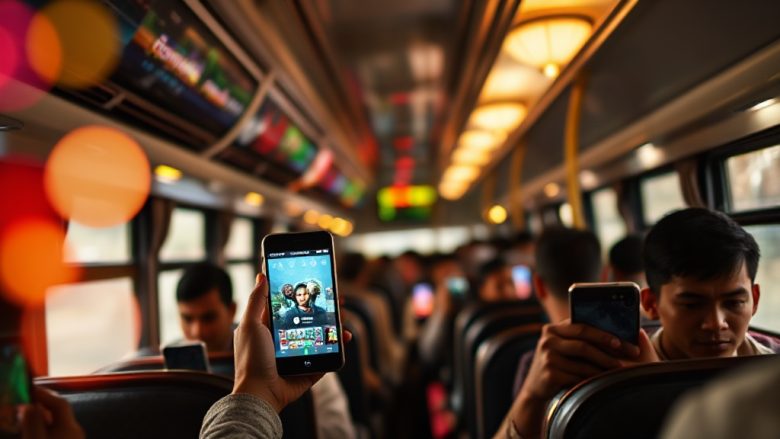
A crowded bus in Dhaka at 8 a.m. is a study in divided attention. Half the passengers are on their phones, and the other half are trying to see what the first half are doing. Some are reading news, some are scrolling social feeds, and a growing number are opening a betting app to pass the time between stops. The question is not whether people fill idle moments with their phones — they clearly do — but what kind of activity fills that gap. For many Bangladeshi users, the answer increasingly involves tk999, a mobile-first betting platform built for exactly these pockets of downtime.
Search intent around this brand is usually practical: people want to know how to register, where to download the app, and whether the experience works when they are not sitting at a desk. The short answer is that it does, and that is the point. The longer answer is about context — how the same platform feels different on a commuter bus, in a queue, on a trip, or in the quiet hours after midnight.
Why Waiting Time Became the Natural Home of Mobile Betting
Waiting is not empty time anymore. A ten-minute queue at a pharmacy, a twenty-minute bus ride, a stalled traffic jam on the way home — these are now windows in which people do small, self-contained tasks on their phones. Mobile betting fits that shape because it is inherently episodic. You open the app, check a market, place a selection, and close it again. There is no need to sit for hours.
The design of a platform like tk999 reflects this. Registration is short, the downloadable app is built for one-handed use, and the interface assumes a user who may be standing up or balancing a bag in the other hand. The experience is engineered for interruption, not for long sessions at a desktop. That is a meaningful shift from the old model of betting shops and desktop-only sites.
It also changes what users expect. When the app is part of a commute, it competes with messaging apps and short videos for the same few minutes. That puts pressure on speed and clarity, and it explains why so much of the product design in this niche focuses on quick loading and simple navigation rather than elaborate menus.
The Commute: Short Sessions, Quick Decisions
On a bus or a train, the user is physically constrained. There is no room to spread out, the signal may dip between stations, and the session is likely to be interrupted by a stop or a conversation. Betting in this context tends to be light: checking a few markets, reviewing a saved selection, or confirming something already decided earlier.
What works well in transit
- Opening the app and reaching the main markets in a couple of taps.
- Reviewing a bet that was prepared at home rather than starting from scratch.
- Using short, focused sessions instead of browsing every category.
The common mistake here is trying to do too much. A commuter who attempts to explore the full range of markets during a five-stop journey usually ends up rushed and makes decisions they would not make at a desk. Treat the commute as a review window, not a research window. The research belongs somewhere calmer.
The Queue: Boredom, Small Screens, and the Temptation to Rush
Queues are different from commutes because the waiting has no fixed end. You might be in line for five minutes or twenty-five, and that uncertainty is exactly what makes people reach for their phones. In a queue, the betting app becomes a way to convert dead time into something with a little momentum.
This is also where the biggest behavioural risk sits. Boredom is a poor adviser. A user who opens the app simply because they are standing still may place a bet they had not planned, on a market they have not thought about. The platform itself cannot prevent that, but the structure of the session can help: arriving with a plan, checking one or two things, and closing the app rather than letting it fill every pause.
Users who get the most out of tk999 in queue situations tend to treat it the way they treat a news app — a quick glance, not a full session. They know what they came to check, they check it, and they put the phone away. Context changes the quality of the decision more than the size of the screen.
Trips and Travel Days: When the App Becomes Part of the Itinerary
A longer journey — a bus to another district, a train ride, a few days away from home — creates a different pattern. There is more time, often more stable connectivity at stops, and a natural rhythm of long stretches with little to do. Betting during a trip tends to be more considered than during a queue, because the user has time to look at a full slate of markets rather than a single selection.
Travel also raises practical questions. Data roaming, battery life, and the reliability of a connection in smaller towns all affect how the app performs. A user who plans to use tk999 during a trip should think about those basics in advance: a charged power bank, a data plan that covers the route, and an awareness that signal may drop in rural areas.
What frequent travellers tend to do differently
- They prepare selections before leaving, so the trip is for confirming rather than researching.
- They avoid placing bets in the final minutes before a connection drops.
- They keep sessions short at night, when fatigue makes judgement worse.
The travel context also makes the social side more visible. On a long journey, people talk. A fellow passenger may ask what app you are using, and the answer often becomes a short explanation of registration and the downloadable app. Word of mouth is a real part of how platforms in this niche spread in Bangladesh, and travel is where those conversations happen.
Late Night: The Quiet Hours and the Risk of Overstaying
The last context is the one with the fewest distractions and the most risk. Late at night, the house is quiet, the phone is the only light, and there is no one to interrupt a session. For some users this is the most comfortable time to use tk999 — no commute, no queue, no one looking over a shoulder. For others it is where sessions stretch longer than intended.
Night-time betting tends to be slower and more deliberate, but it is also where fatigue quietly erodes judgement. The markets are still there, the app still loads quickly, and the absence of external cues makes it easy to keep going. The sensible approach is the same one that works in every other context: decide in advance how long the session will last, and stop when that time is up.
Seen across all four contexts — commute, queue, trip, and late night — the pattern is consistent. The platform is the same, but the experience is shaped by where the user is and what state of mind they are in. Place and mood do more to determine a good session than any feature list. That is the quiet insight behind mobile betting in the gaps of the day: the app travels with you, but the judgement has to come from you.